Flex Space is Growing Up, Now Comes the Hard Part

Thursday, July 16th, 2026

The UK flex space market has moved well beyond the start-up phase. Demand is there. Occupiers understand the value of flexibility. Landlords are paying closer attention. Yet the conversations at CREAM UK showed that growth alone is not enough.

A recurring theme throughout the event was resilience. Operators are now focused on building businesses that can withstand rising costs, changing occupier expectations and increasing competition. The discussion moved away from growth at any cost and towards long-term sustainability.

The event also highlighted how technology, partnerships and space design are reshaping the sector. The challenge now is turning these ideas into profitable, scalable business models.

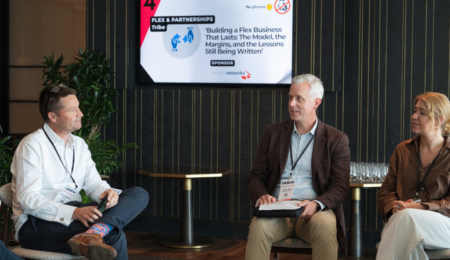
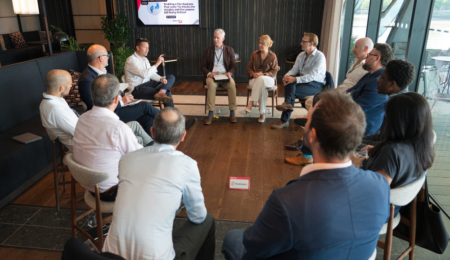
James Tizzard (Modern Networks) hosted the Flex & Partnerships Tribe at CREAM UK 2026
Flex & Partnerships Tribe at CREAM UK 2026

Space Making is Replacing Space Letting

One of the strongest themes from both the CREAM UK discussions and Modern Networks’ tribe session was the shift from delivering space to creating environments that help businesses thrive.

Operators increasingly talk about community, engagement and workplace experience. The focus is no longer simply on desks, meeting rooms and occupancy rates. Successful spaces are designed to encourage collaboration, improve employee experience and create reasons for people to return to the office.

The premium flex space category is expanding rapidly, now accounting for 20% of the sector.

Recent industry research supports this trend. Many operators are investing in hospitality, wellness facilities and experience-led services to differentiate themselves in a crowded market. Occupiers increasingly expect more than functional workspace. They want an environment that supports productivity and culture.

The Pressure on Operators is Real

The mood at CREAM UK was optimistic, but nobody ignored the economic reality.

Operators continue to face higher business rates; wage increases and energy costs. Many are also managing rising service charges while trying to keep pricing competitive for customers. That combination creates significant pressure on margins.

The Flex & Partnerships Tribe at CREAM UK reached a similar conclusion. Competition stays intense and operators are dealing with both increased costs and changing demand patterns at the same time. Margin management has become one of the sector’s biggest challenges.

For many operators, the question is no longer how quickly they can grow. It is how they can grow without increasing risk.

Partnership Models Continue to Evolve

In early 2025, 67% of flexible workspace deals were structured as management agreements.

Another major talking point was the changing relationship between landlords and operators.

Traditional lease arrangements are no longer the only choice. Many organisations are exploring management agreements, revenue-sharing models and partnership structures that align incentives between asset owners and operators.

This shift was reflected in discussions at CREAM UK, where participants highlighted the move towards more joined-up thinking across portfolios. The focus is increasingly on creating the right mix of occupiers and experiences rather than simply chasing the highest rent.

Research across the UK market shows that these partnership models are becoming more common as landlords look for greater flexibility and stronger operational performance from their assets.

Technology is Becoming a Competitive Advantage

A clear systems and data strategy is essential for flexible workspace operators to improve operational efficiency, boost profitability, and deliver a seamless member experience. – Justin Harley from Yardi

Technology featured heavily throughout the event.

The conversation around AI has become more practical. Most businesses are not betting everything on a single platform. Instead, they are selecting tools based on specific use cases and business outcomes. The emphasis is shifting towards governance, control and measurable value.

Technology inside the workspace is also becoming more important. Operators are using data and digital tools to understand occupier behaviour, optimise space and improve service delivery. The CREAM UK tribe discussion named technology as one of the strongest opportunities for improving retention and supporting premium pricing.

Across the wider flex market, technology is seen as essential infrastructure rather than a nice-to-have feature. Better systems, better data and better visibility help operators make faster and more informed decisions.

Retention is the Metric that Matters

One of the most interesting points raised during CREAM UK was that occupancy is not always the biggest problem.

Keeping customers for longer is often a greater challenge.

The sector has become highly competitive. Occupiers have more choice than ever before. Spaces need to evolve continually to remain relevant and attractive. Operators who understand customer needs and respond quickly are more likely to maintain strong retention levels.

This places greater emphasis on experience, service quality and operational excellence. It also reinforces the need for data-driven decision-making that helps operators identify changing occupier expectations before they become problems.

Skills and Governance Will Define the Next Phase

CREAM UK made one thing clear. Technology alone will not solve every challenge.

The organisations that succeed will combine technology with strong governance, clear processes and skilled people. As AI adoption increases across the property sector, businesses need the capability to select, manage and govern these tools effectively.

There was broad agreement that training, expertise and internal knowledge will become increasingly important over the next few years. The winners are unlikely to be those with the most technology. They will be the companies that know how to use it well.

What Comes Next for UK Flex Space?

In today’s market, if you’re not offering flexibility, you could be at a competitive disadvantage. – Alan Pepper CEO, Orega

The message from CREAM UK was straightforward.

Demand for flexible space remains strong. Investors are paying attention. Landlords are becoming more open to new operating models. Yet operators still face significant pressure from costs, competition and changing customer expectations.

The businesses that succeed will focus on retention, operational efficiency, technology adoption and strong partnerships. They will create spaces that support people, not just occupancy targets.

Flex space has proven its value. The next chapter is about building businesses that last.

Let's Talk

Want to discuss how connectivity, digital infrastructure and technology can support your flex space strategy?

Contact Dan Owers  via LinkedIn to start the conversation.